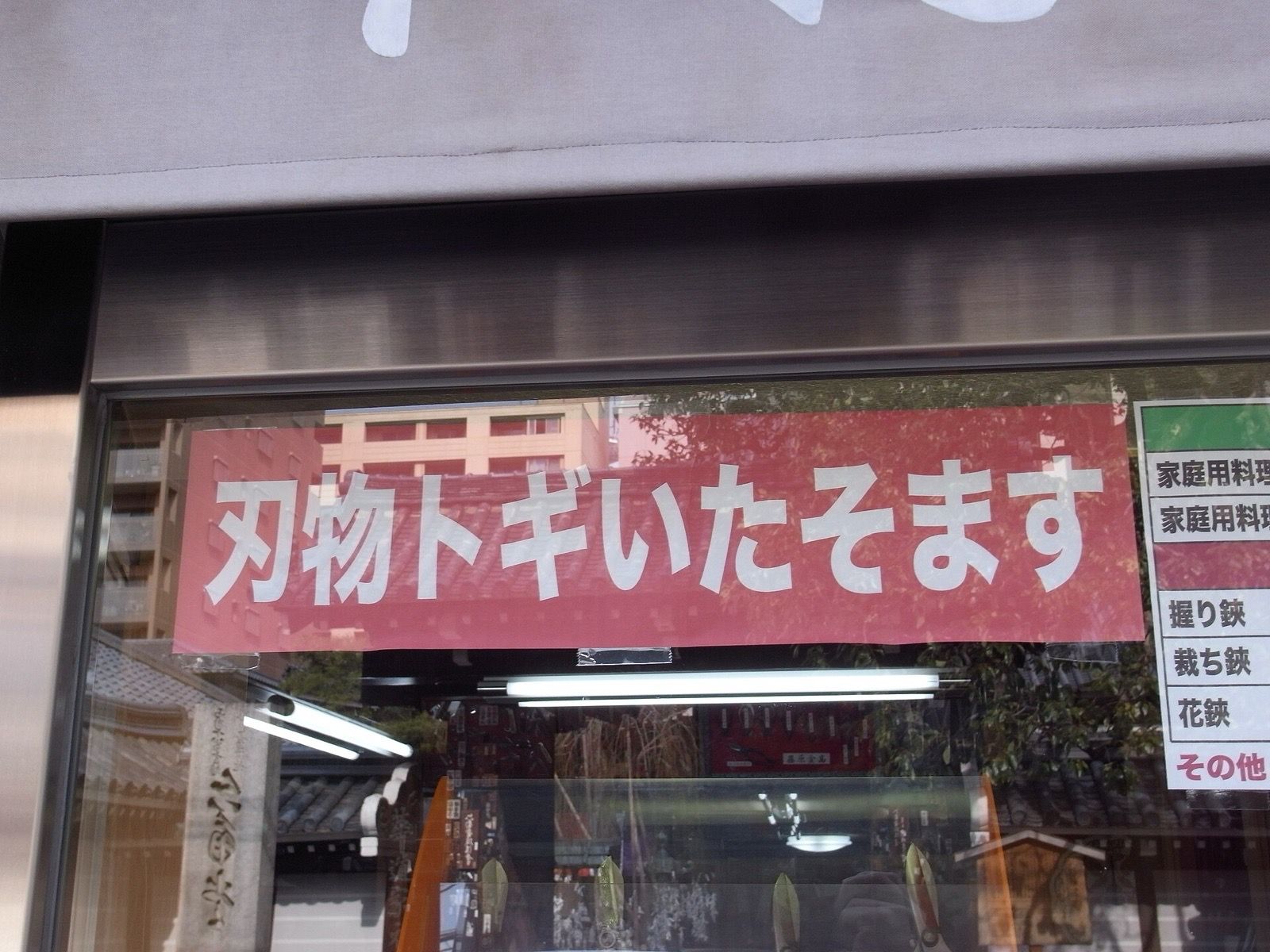
Search for Japanese knives in English and you will find a world of whetstones, angle guides and long videos about sharpening. It is a beautiful world. It is also not how most people in Japan live with their knives.
What Japanese homes actually do
Where people take their knives
Our editor’s routine
Knife enthusiasts often warn that a pull-through sharpener wears a blade faster than a stone and leaves a rougher edge. That is true. For a stainless santoku that cuts dinner every day, it is a trade many Japanese cooks accept without a second thought.
Each link opens an Amazon search, not one product we picked. Check the listing for the details above, the price and shipping to your country.
When a whetstone is worth it
A stone earns its place when the knife needs it: carbon steel, single-bevel knives, or big jobs where the edge has to be perfect.
If that sounds like you, read carbon or stainless. If it doesn’t, start with a stainless santoku and a simple sharpener.
Each link opens an Amazon search, not one product we picked. Check the listing for the details above, the price and shipping to your country.
Questions people ask
Will a pull-through sharpener ruin a Japanese knife?
It removes more metal than a stone and gives a rougher edge. For a stainless santoku used at home, our editor finds a simple sharpener is enough. For a carbon or single-bevel knife, use a stone or a sharpening service.
How often should I sharpen?
When it stops cutting cleanly through a tomato skin. Our editor's rule of thumb: daily use makes a santoku dull, so keep a simple sharpener within reach.
Where can I get a knife sharpened?
In Japan, most often at the neighbourhood butcher, and sometimes at a supermarket's meat or fish counter, for about 500 to 1,000 yen. Elsewhere, look for a local knife shop or sharpening service.
When is a whetstone worth buying?
Our editor's view: maybe once you own a knife costing more than about 10,000 yen. Even then, start with a sharpener, because a stone can make sharpening feel like a chore.
How we made this
Notes from our editor, Shota Ando, come from recorded conversations, dated on each note. This article rests on those notes rather than on published sources. Amazon links are searches, not paid placements. How we work
Photo credit: Sho Hashimoto, CC BY 2.0, via Wikimedia Commons. Resized and converted to WebP and AVIF.